Asking Hunter-Gatherers Life's Toughest Questions
In briefA travel vlogger asks the leader of the Hadza hunter-gatherers in Tanzania some big life questions just before a baboon hunt. The short answers touch on meat, honey and what matters in life.
Page 21 of 25
In briefA travel vlogger asks the leader of the Hadza hunter-gatherers in Tanzania some big life questions just before a baboon hunt. The short answers touch on meat, honey and what matters in life.
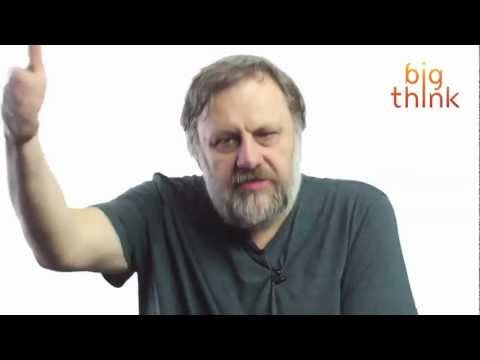
In briefA two-minute Big Think clip of Slavoj Zizek arguing that happiness is a conformist, even unethical goal. He asks why one would want to be happy when one could be interesting.
In briefA Veritasium explainer on how the brain works and how we learn. It is inspired by Kahneman's Thinking, Fast and Slow and covers System 1 and System 2 thinking and why harder learning builds skill.
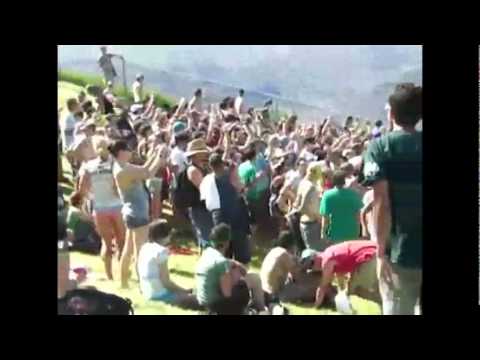
In briefIn a six-minute TED talk, Derek Sivers uses footage of a dancing man at an outdoor festival to show how a movement starts. He argues the first follower is what turns a lone nut into a leader.
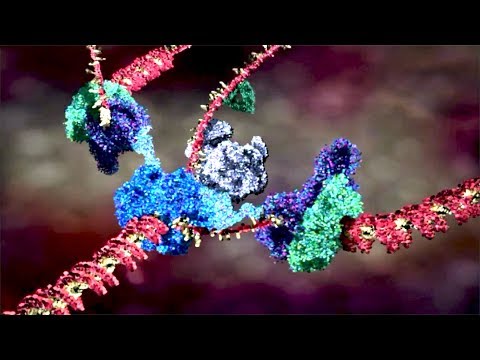
In briefVeritasium short showing Drew Berry's scientifically accurate animations of the molecular machines that drive cell division. It walks through mitosis, chromosomes and motor proteins.
In briefA 1993 Yoga Works video of the Ashtanga Yoga Primary Series led by Sri K. Pattabhi Jois, with senior students demonstrating. The class is filmed in classic style from the back of the room.
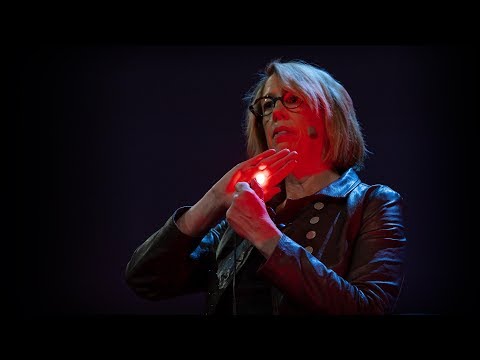
In briefInventor Mary Lou Jepsen demonstrates using red light and sound to see inside the body and brain, aiming at tumor detection and neural activity measurement, and potentially a cheaper wearable MRI replacement.
In briefJack Gallant's lab demonstrates reconstructing movie trailer clips a subject watched from fMRI brain activity, using regression models trained on hours of viewing data. The video shows the original clip beside the reconstruction.
In briefA 92-minute RMIT University seminar in which Ken Stanley argues that setting an objective can block achieving it. He presents objective-less, novelty-driven search as an alternative approach to innovation and discovery, drawing on evolutionary computation.
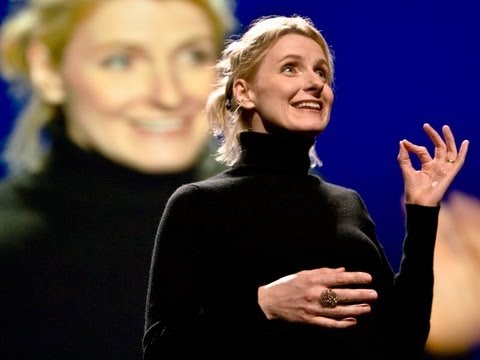
In briefElizabeth Gilbert, author of Eat, Pray, Love, reflects on the pressure placed on artists to be geniuses. She proposes the older idea that creative people have a genius that visits them rather than being one.
In briefA short scene from Malcolm in the Middle in which Hal tries to fix a light bulb and is pulled into a growing chain of side repairs.
In briefA FoundMyFitness episode on how microplastics and associated chemicals such as BPA and PFAS accumulate in the body, including the brain and reproductive systems. It also discusses ways to reduce exposure.
In briefA Half as Interesting explainer on the US program that drops millions of sterile screwworm flies over Panama every week to keep the parasite out of North America.
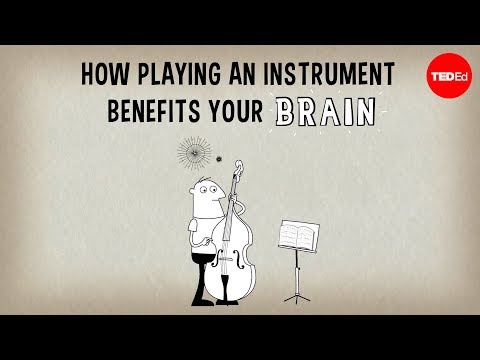
In briefA short TED-Ed animated lesson by Anita Collins on what happens in the brain when people play a musical instrument. It argues that playing engages many brain areas at once, like a full-body workout, with long-term benefits.
In briefA two-minute Westworld scene in which Robert Ford and Bernard Lowe discuss whether consciousness exists. Ford argues that the self is a fiction for hosts and humans alike.
In briefDestin of Smarter Every Day goes behind the scenes at the 23andMe lab to show how genotyping works. He also discusses DNA testing and privacy.
In briefPediatric endocrinologist Robert Lustig talks at Low Carb Denver 2020 about sugar, metabolic syndrome and cancer. He lays out the case that metabolic dysfunction drives disease.
In briefA short clip from the British panel show QI in which the panel discusses why there is no such thing as a fish as a biological category.
In briefKurzgesagt explains why exercise alone does little for weight loss, since the body compensates by adjusting its total energy expenditure. It argues exercise is still very valuable for health.
In briefThe 2016 Isaac Asimov Memorial Debate, moderated by Neil deGrasse Tyson, in which a panel of physicists and philosophers debates whether the universe is a simulation. Participants include David Chalmers, Zohreh Davoudi and James Gates.
In briefTom Scott explains Gricean maxims, the unwritten guidelines that shape how we understand each other. He uses examples such as why 'asbestos-free cereal' sounds suspicious.
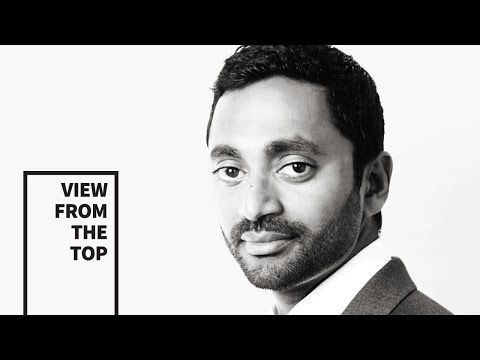
In briefChamath Palihapitiya's Stanford GSB View From The Top talk on money as an instrument of change. HN mostly knows it for his remarks on social media's dopamine-driven feedback loops and regrets about Facebook.
In briefA Healthcare Triage episode summarizing the evidence on the health benefits of exercise, made in response to people misreading the host's column on exercise and weight. It argues exercise offers large benefits.
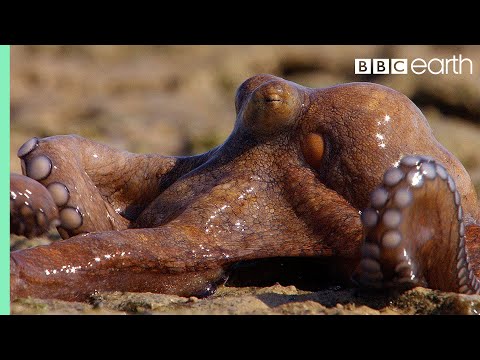
In briefA BBC Earth clip from The Hunt showing an octopus species from northern Australia that leaves the water at low tide to hunt crabs on land.